

For many travellers planning their first journey to South Africa, the Greater Kruger ecosystem represents the most compelling place to experience a traditional African safari.
This vast landscape combines the renowned Kruger National Park with a collection of neighbouring private reserves, forming one of the most biodiverse wildlife regions on the continent.
Understanding how the Greater Kruger works, where private reserves fit within it and what visitors can expect from a safari here helps travellers plan a journey that is both meaningful and deeply connected to the natural world. Let’s dive in.
What Is the Greater Kruger?
The Greater Kruger refers to a large conservation area made up of Kruger National Park and several adjoining private reserves, all sharing open boundaries that allow wildlife to move freely across the landscape.
Kruger National Park itself covers almost two million hectares, stretching across the north eastern corner of South Africa. Along its western edge lie private reserves such as the Timbavati, Sabi Sand, Klaserie, Balule and Thornybush. These reserves operate independently yet form part of the same ecological system.
Because fences between these reserves and the national park have been removed, animals roam naturally throughout the region. Elephant herds move between river systems, predators follow prey across seasonal territories and migratory species respond to rainfall patterns that shape grazing across the savanna.
From a wildlife perspective, the Greater Kruger functions as one continuous wilderness.
Why the Greater Kruger Is One of Africa’s Best Safari Destinations
Several factors contribute to the reputation of the Greater Kruger as one of the finest safari destinations in Africa.
Biodiversity
The region supports extraordinary biodiversity. Visitors can encounter the Big Five; elephant, lion, leopard, rhino and buffalo, as well as cheetah, wild dog, giraffe, zebra and a remarkable variety of birdlife.
More than five hundred bird species have been recorded across the wider Kruger ecosystem. Seasonal rainfall attracts migratory species while permanent rivers sustain year round wildlife populations.
Size and protected habitat
The sheer scale of the Greater Kruger landscape ensures that wildlife can move freely across vast areas of protected habitat.
This space supports natural predator prey relationships and allows animal populations to remain resilient.
Diverse habitats
The environment shifts subtly across the region, from open grassland to riverine woodland and mixed savanna. These habitat variations create ideal conditions for a wide range of species.
For visitors, this diversity means that every game drive offers a different perspective on the landscape.
Kruger National Park Safaris
Kruger National Park is one of Africa’s most accessible wildlife reserves and attracts travellers from around the world. For many visitors, the park is explored through self drive safaris, where guests travel along the road network in their own vehicles.
This style of safari appeals to travellers who enjoy independence and flexibility. Visitors can explore at their own pace, stopping at waterholes or viewpoints as they move through the park.
Kruger also offers rest camps and accommodation ranging from simple campsites to comfortable lodges. The infrastructure allows visitors to travel across the park over several days, experiencing different habitats and wildlife regions.
Because Kruger is open to the public, sightings can occasionally draw several vehicles. For some travellers this shared excitement forms part of the experience. Others prefer a quieter wildlife encounter, which leads many visitors to consider the neighbouring private reserves.
Private Safari Reserves in Greater Kruger
The private reserves that form part of the Greater Kruger ecosystem offer a different style of safari experience. Reserves such as Timbavati operate with controlled access and a limited number of lodges, creating a more intimate environment for wildlife viewing.
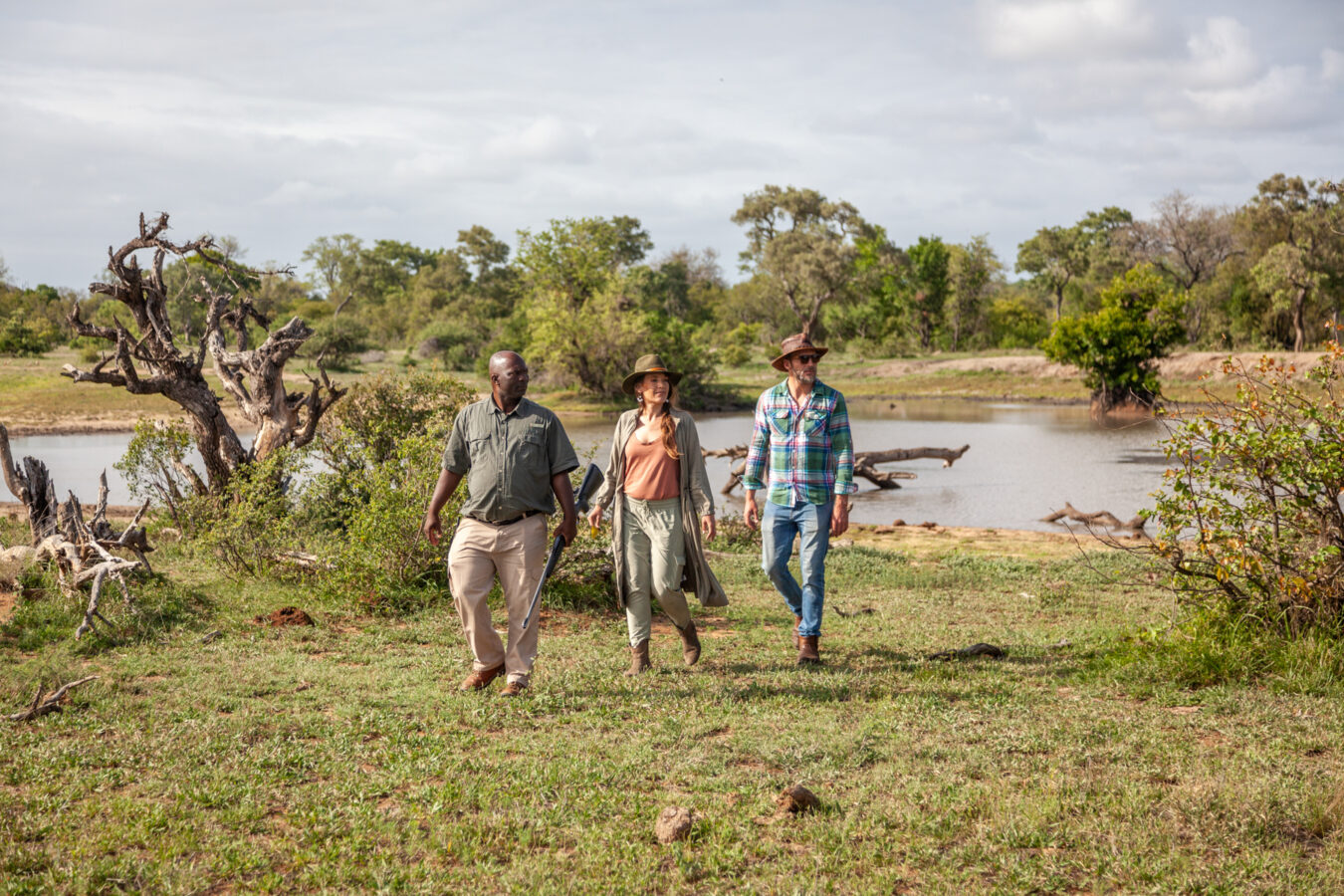
Game drives in private reserves are guided by experienced rangers and trackers who interpret the signs of the bush. Tracks in the sand, alarm calls from wildlife and subtle shifts in animal behaviour all help guides locate wildlife and understand how species move through the landscape.
One of the defining characteristics of private reserves is the ability to leave established tracks during wildlife sightings when appropriate. This allows guides to follow animals carefully while maintaining respectful distances.
The result is often a slower, more observational safari where guests spend time watching behaviour unfold naturally.
The Timbavati Private Nature Reserve
Among the private reserves that form part of the Greater Kruger, the Timbavati Private Nature Reserve holds a special reputation for exceptional wildlife viewing.
Located along the western boundary of Kruger National Park, Timbavati covers more than fifty thousand hectares of protected wilderness. Like its neighbouring reserves, it shares an open boundary with the national park, allowing wildlife to move freely between the two areas.
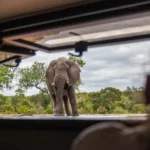
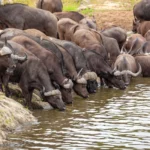
The landscape here is characterised by open savanna, ancient trees and seasonal watercourses that attract wildlife throughout the year. Elephant herds pass through regularly, buffalo graze across the plains and predators patrol territories shaped by the rhythms of prey and rainfall.
The reserve is particularly well known for strong leopard sightings, thanks to the combination of suitable habitat and careful wildlife management.
What a Day on Safari in Greater Kruger Looks Like
Life on safari follows seasonal changes and the natural rhythms of the bush.
Days begin early, often before sunrise, when the air is cool and wildlife activity is at its peak. Guests gather for coffee before departing on a morning game drive, exploring the reserve as the landscape awakens.
Guides interpret spoor and listen for alarm calls from birds and antelope. These subtle clues often lead to sightings of predators returning from night hunts or herbivores moving between feeding areas.
After the morning drive, guests return to the lodge for breakfast and a slower part of the day. The midday hours are often spent resting, reading or watching wildlife pass through the surrounding landscape.
In the late afternoon, the safari continues with an evening game drive. As temperatures taper off, wildlife begins to move again. The transition from daylight to dusk reveals a different side of the ecosystem, where nocturnal species emerge and the bush settles into its evening rhythms.
Seasonal Changes in the Greater Kruger
The Greater Kruger landscape transforms through the seasons.
Dry season
During the winter months, typically from May to September, rainfall is scarce and vegetation becomes thinner. Wildlife often gathers around permanent water sources, making animals easier to locate.
For many travellers this period offers the most consistent wildlife viewing conditions.
Green season
The summer months bring rainfall that transforms the landscape into a lush environment filled with new grass and vibrant birdlife. Young animals are often seen during this time as many species give birth when food is abundant.
Although wildlife may disperse more widely in the green season, the atmosphere of renewal and dramatic skies creates a different but equally rewarding safari experience.
Choosing the Right Safari Experience
Travellers planning a safari in the Greater Kruger often consider the differences between Kruger National Park and the surrounding private reserves.
Kruger suits travellers who enjoy independence and the freedom of self drive exploration. It offers scale, accessibility and the chance to travel across large areas of wilderness.
Private reserves such as Timbavati offer a more guided and immersive safari experience. With fewer vehicles and experienced trackers, wildlife encounters tend to feel quieter and more observational.
Neither experience is inherently better. Instead, each offers a different way to engage with the same remarkable ecosystem.
Experiencing the Timbavati from Kings Camp
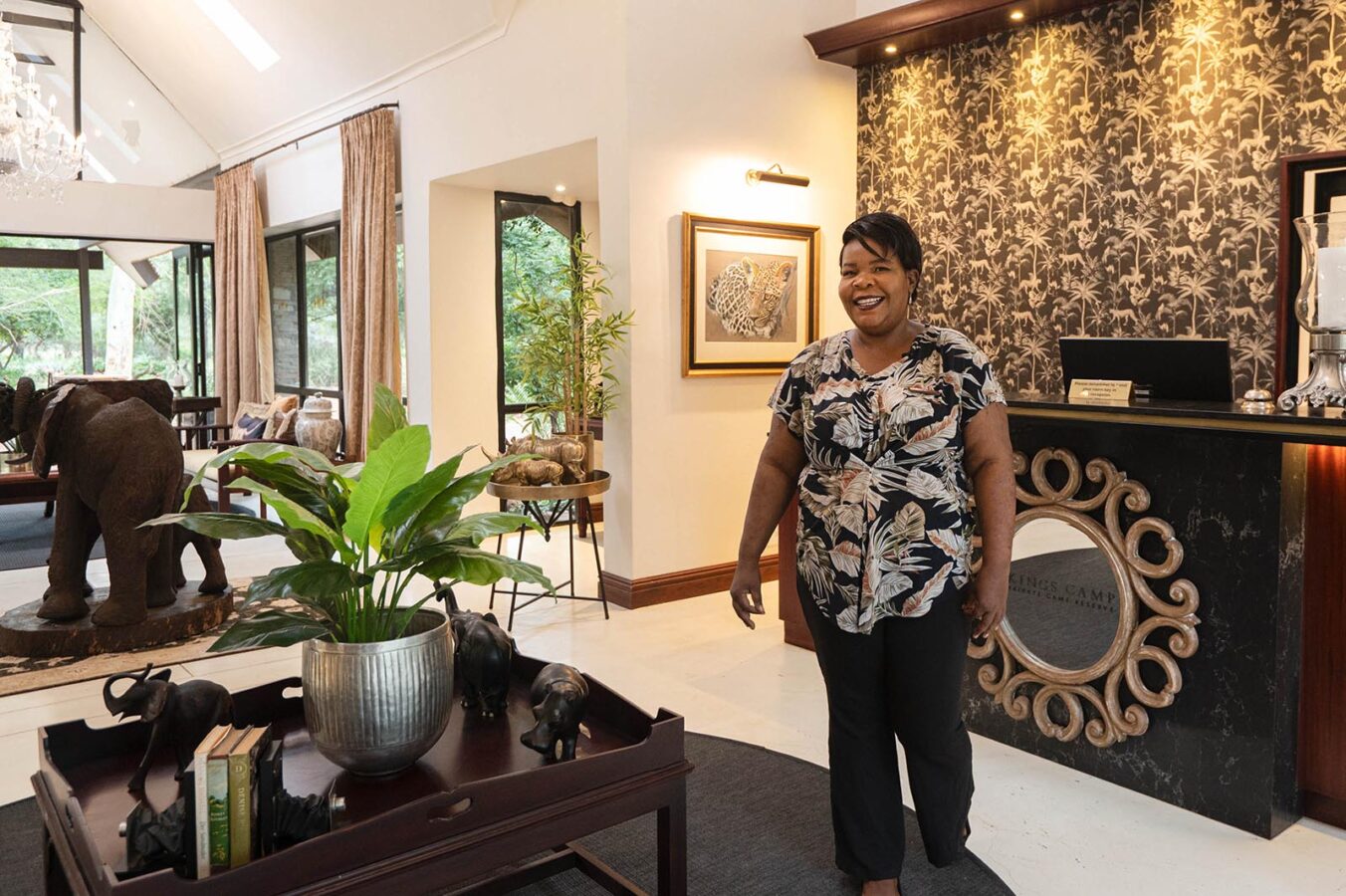
Within the Timbavati Private Nature Reserve, Kings Camp offers guests an opportunity to experience the Greater Kruger landscape at a considered pace.
The lodge sits in a peaceful corner of the reserve where open plains meet woodland and wildlife moves quietly through the surrounding bush. Game drives explore this varied terrain with guides who know the area intimately.
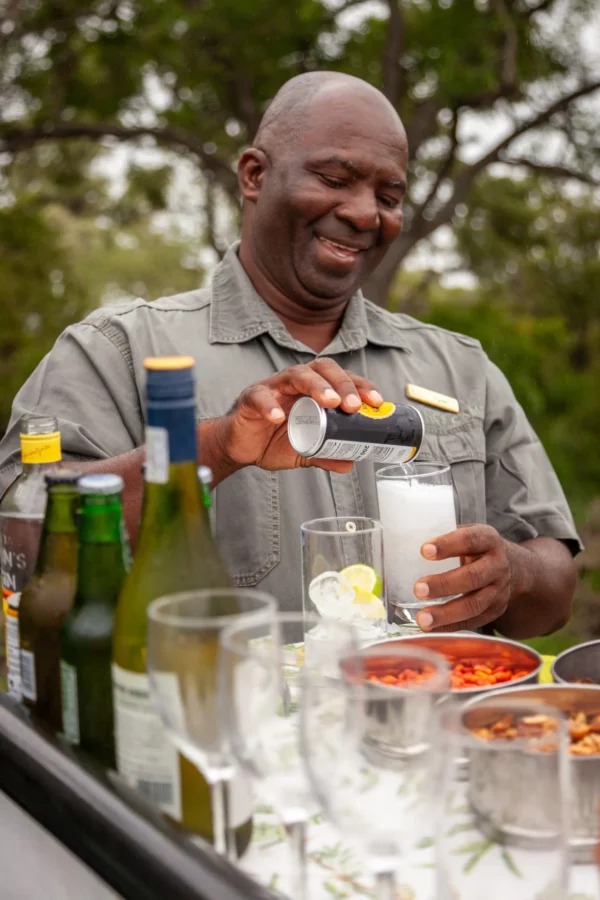
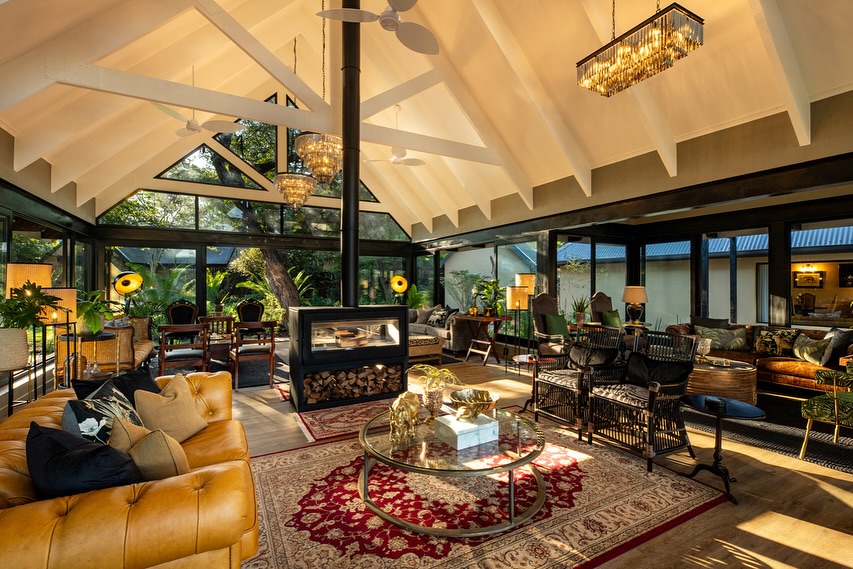
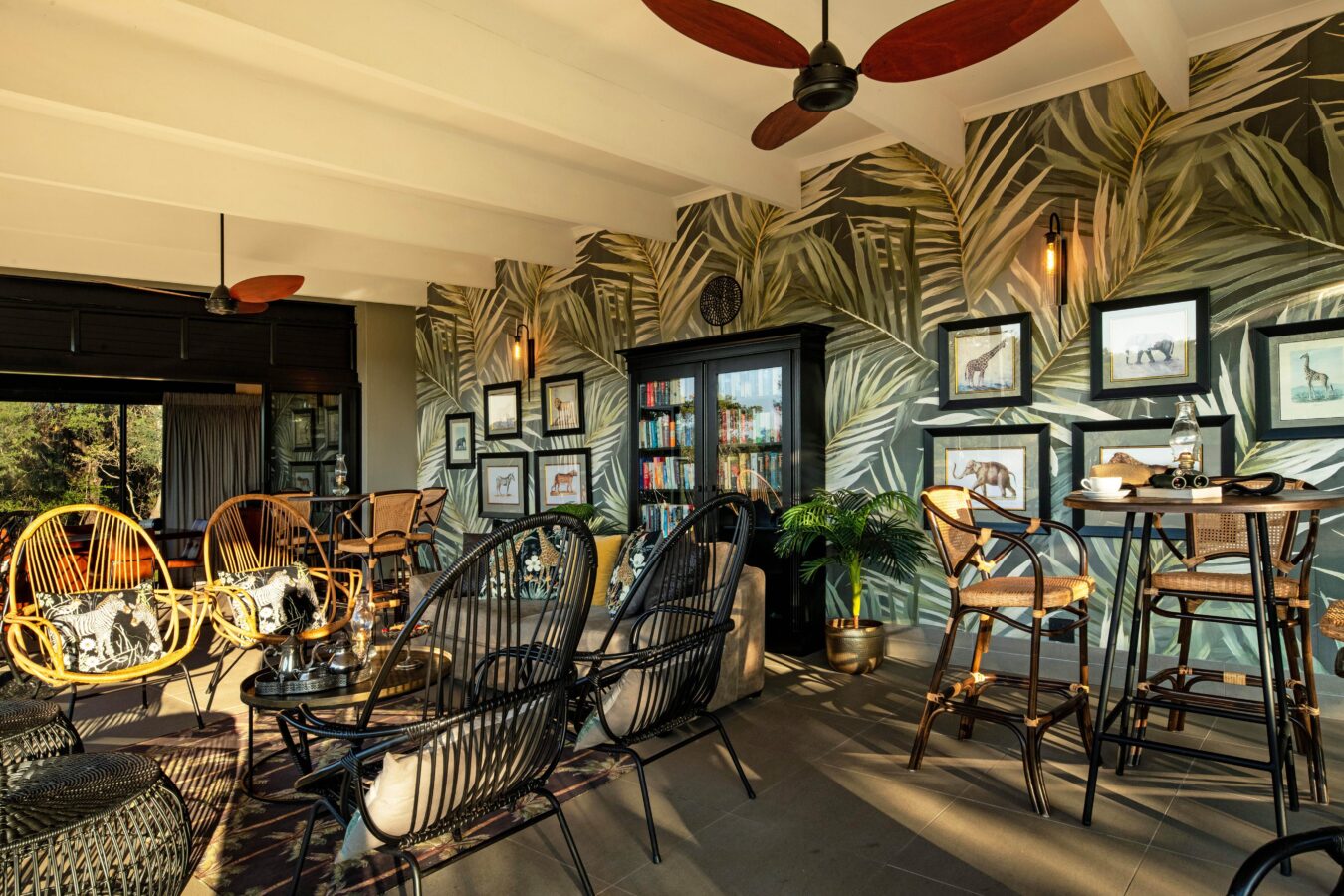
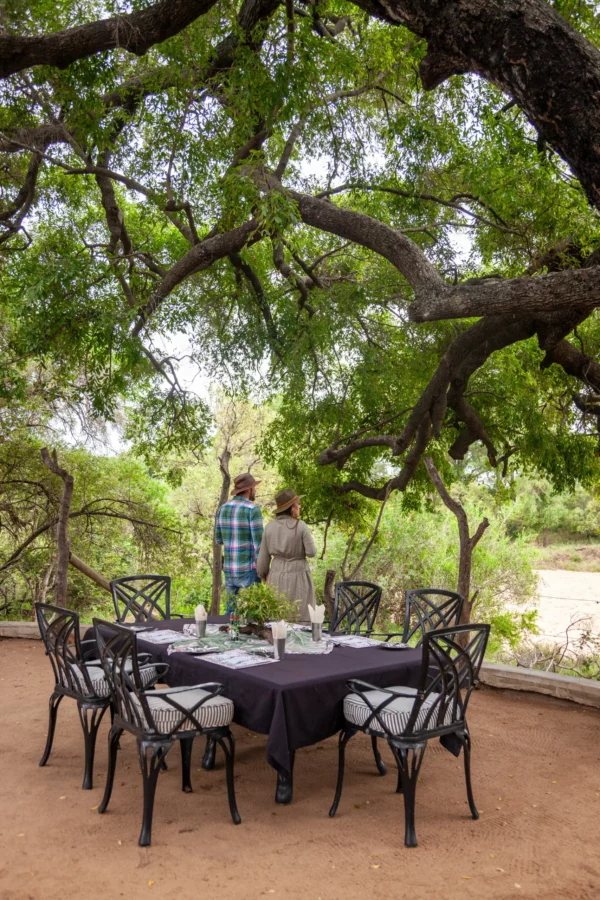
Between safaris, the lodge offers spaces where guests can pause and observe the environment. The emphasis remains on thoughtful hospitality and attentive guiding, allowing visitors to settle into a pocket of paradise in the Kruger.
Planning Your Kruger Safari
A safari in the Greater Kruger offers access to one of Africa’s most significant wildlife landscapes. Whether exploring the road networks of Kruger National Park or joining guided drives in the private reserves, visitors enter a world shaped by ecological balance and natural movement.
For travellers seeking a deeper connection with this environment, the private reserves of the Greater Kruger provide an opportunity to observe wildlife with patience and perspective.
Those interested in exploring the Timbavati can learn more about the safari experience at Kings Camp, where each day unfolds in quiet conversation with the surrounding wilderness. Explore more or get in touch with our team at book@kingscamp.com
FAQs
What is the Greater Kruger and how is it different from Kruger National Park?
The Greater Kruger refers to Kruger National Park and the surrounding private reserves such as Timbavati, Sabi Sand and Klaserie. These areas share open boundaries, allowing wildlife to move freely, but differ in how safaris are experienced.
Is a Greater Kruger safari better than Kruger National Park?
Both offer excellent wildlife viewing. Kruger is ideal for self drive exploration, while the Greater Kruger private reserves provide guided safaris, fewer vehicles and a quieter experience.
What animals can you see in the Greater Kruger?
The Greater Kruger is home to the Big Five, lion, leopard, elephant, rhino and buffalo, as well as cheetah, wild dog, giraffe, zebra and over 500 bird species.
Why is the Timbavati known for good leopard sightings?
The Timbavati offers suitable habitat with dense thickets and river systems, combined with experienced tracking. This allows for consistent and respectful leopard sightings.
When is the best time to go on a Greater Kruger safari?
Wildlife viewing is strong year round. The dry winter months from May to September offer easier sightings, while the green season brings lush landscapes, birdlife and young animals.
What is a typical day on safari in the Greater Kruger?
Days begin with an early morning game drive, followed by time at the lodge to rest. Afternoon and evening drives continue into dusk, when many animals become more active.
Are private reserves in the Greater Kruger worth it?
Private reserves offer guided safaris, off road tracking and fewer vehicles at sightings. This creates a more immersive and considered wildlife experience.