

Exploring the role of reserve management, ecosystem protection and long-term stewardship in one of South Africa’s most important wilderness areas.
The Timbavati Private Nature Reserve forms part of the Greater Kruger ecosystem, a vast protected landscape where wildlife moves freely across unfenced wilderness. For many travellers visiting the region, the opportunity to encounter elephants, leopards, lions and rhino in their natural habitat is deeply memorable. Yet these sightings are only possible because of decades of conservation work taking place behind the scenes.
Conservation in the Timbavati is not limited to one initiative or organisation. It is shaped by many interconnected efforts, from reserve management and anti-poaching operations to habitat monitoring and long-term ecological planning. Together, these systems help maintain the balance of an ecosystem that supports extraordinary biodiversity.
A Protected Wilderness Connected to Greater Kruger
The Timbavati shares an open boundary with Kruger National Park, allowing wildlife to move naturally across a much larger landscape. This ecological connectivity is one of the defining strengths of the Greater Kruger region.
Animals are not restricted by fences or artificial boundaries. Elephant herds travel between feeding areas, predators follow prey across seasonal territories and migratory species respond to rainfall and vegetation patterns across the ecosystem.
Protecting this connected wilderness requires cooperation between reserves, conservation teams and land managers. Decisions around water availability, habitat preservation and wildlife monitoring are considered carefully to support long-term ecological health rather than short-term tourism outcomes.
The Role of Anti-Poaching in Wildlife Protection
Like many protected areas in southern Africa, reserves within the Greater Kruger region face ongoing pressure from poaching, particularly where rhino populations are concerned.
The Timbavati Private Nature Reserve maintains a comprehensive anti-poaching strategy and allocates a significant portion of its annual budget toward conservation and wildlife protection. These efforts combine advanced technology, aerial monitoring and highly trained field teams working across the reserve.
Specialised Anti-Poaching Units, supported by trained German Shepherd and Belgian Malinois dogs, play an important role in tracking illegal activity and detecting weapons within the reserve. Aerial patrols and helicopter surveillance are also used to monitor remote areas, identify potential threats and support ground teams operating across wildlife corridors and known high-risk zones.
Rhino conservation forms an important part of this work. Wildlife monitoring initiatives, including darting and microchipping programmes, help conservation teams track and protect vulnerable animals throughout the ecosystem.
Conservation in the Timbavati is also supported through a combination of photographic tourism revenue, conservation fees and broader reserve management initiatives that contribute to the long-term protection of the landscape.
Much of this work takes place quietly and away from public view, yet it remains essential to preserving the ecological integrity of the Greater Kruger wilderness and the wildlife populations that move through it.
Conservation Beyond Wildlife Sightings
Conservation in the Timbavati extends beyond the protection of individual animals. It also involves the careful management of habitat and natural resources.
Seasonal rainfall patterns, river systems, vegetation growth and predator-prey relationships all influence the health of the ecosystem. Reserve management teams monitor these factors closely to ensure the landscape remains resilient over time.
Fire management is one example. Controlled burns may occasionally be used to support grassland regeneration and reduce the risk of more destructive wildfires. Water systems are also monitored carefully, particularly during periods of drought or flooding, both of which shape wildlife movement and vegetation patterns.
The goal is not to control nature, but to support ecological processes in a way that allows the wilderness to function as naturally as possible.
The Importance of Biodiversity in the Timbavati
The Timbavati supports an extraordinary range of life, from large predators and herbivores to birds, insects and plant species that together sustain the ecosystem.
Predators such as lion and leopard help regulate prey populations, while elephants influence vegetation structure through browsing patterns. Even smaller species, including insects and scavengers, play essential roles in nutrient cycling and ecological balance.
This biodiversity is one of the reasons the Greater Kruger ecosystem remains so significant globally. Healthy ecosystems are built through complexity, where each species contributes to the wider functioning of the landscape.
For many guests, safari experiences become more meaningful when viewed through this broader ecological perspective rather than through sightings alone.
Community and Long-Term Stewardship
Conservation is most sustainable when local communities, reserve management and tourism all contribute to the protection of the landscape.
Safari tourism plays an important role in supporting conservation initiatives across the Timbavati and wider Greater Kruger region. Revenue generated through tourism helps sustain reserve operations, conservation staffing, infrastructure and ongoing environmental management.
Equally important is creating opportunities for people living near protected areas through employment, training and skills development connected to conservation and hospitality.
Long-term stewardship depends on maintaining a balance between ecological protection, responsible tourism and the people connected to the landscape.
Experiencing Conservation Firsthand at Kings Camp
For guests staying at Kings Camp, conservation is experienced not through presentations or displays, but through time spent in the landscape itself.
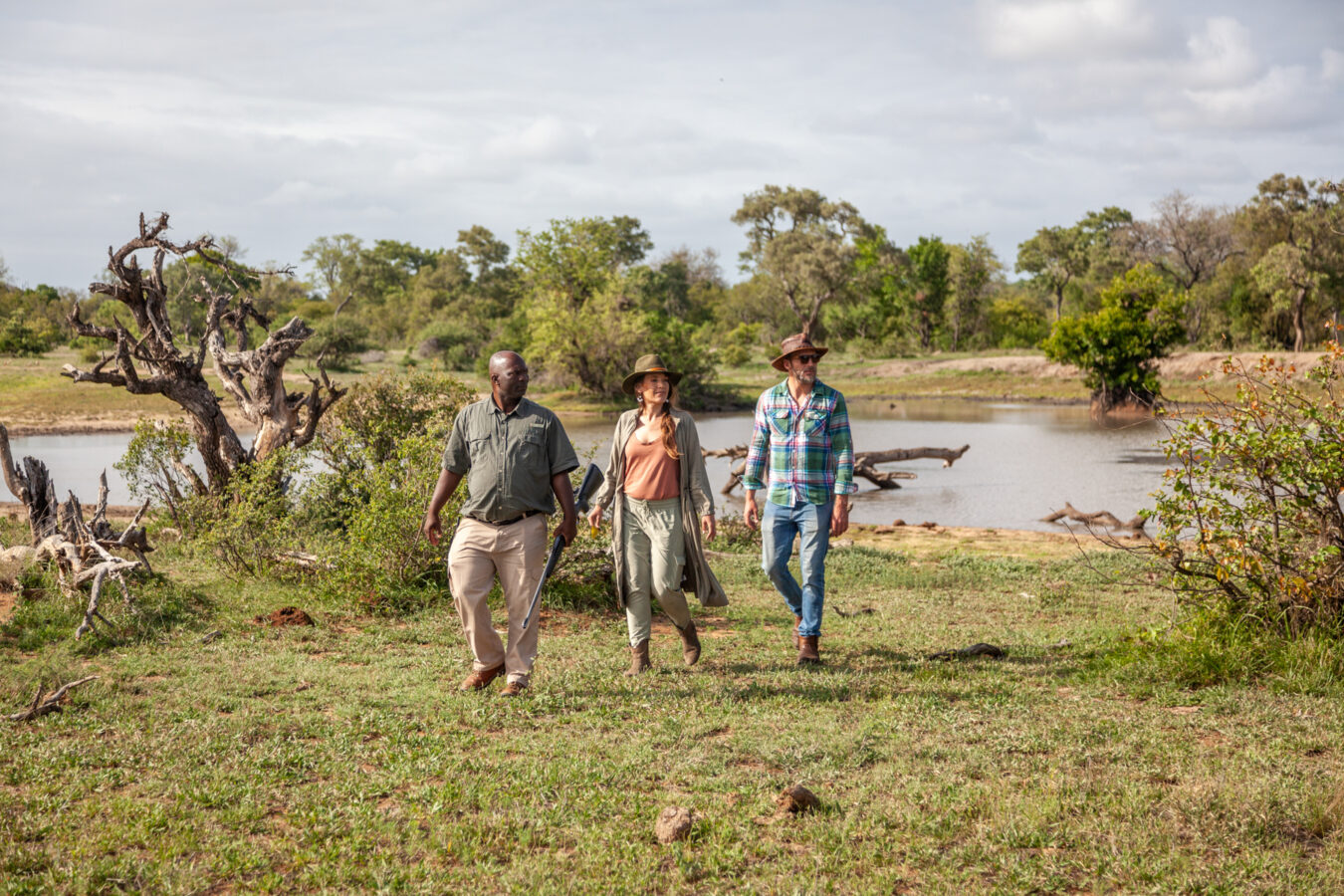
Guided game drives reveal the complexity of the ecosystem, from predator behaviour and seasonal changes to the subtle relationships between species. Guides and trackers share observations that help guests understand the interconnected nature of the bushveld and the work required to protect it.
Kings Camp also offers guests the opportunity to participate more directly in conservation through the reserve’s Rhino Chipping Experience, available during the cooler months between May and September. Working alongside an expert wildlife veterinarian and conservation team, guests may assist with locating and darting rhino as part of ongoing anti-poaching and wildlife monitoring efforts.
The process includes microchipping, ear notching and collecting data that contributes toward South Africa’s national rhino DNA database. This information plays an important role in identifying animals and supporting forensic investigations should poaching occur in future.
Importantly, the initiative is not operated as a commercial activity, but as part of the reserve’s broader conservation commitment to protecting vulnerable rhino populations within the Greater Kruger ecosystem.
Many visitors arrive hoping to see iconic wildlife. They often leave with a deeper appreciation for the systems, people and long-term stewardship required to help preserve this wilderness for future generations.
A Shared Responsibility
Protecting landscapes such as the Timbavati requires ongoing care, collaboration and thoughtful management. Conservation is not a single project with a fixed outcome, but a continuous process of stewardship shaped by changing environmental pressures and long-term ecological goals.
For travellers seeking a safari experience grounded in both wildlife and conservation, the Timbavati offers an opportunity to engage with one of Africa’s most significant protected ecosystems.
To learn more about the safari experience at Kings Camp or to begin planning your visit, contact the reservations team at book@tuningi.co.za.
Image credits:
SANParks
Timbavati PNR
Timbavati Foundation
FAQs
What is the Timbavati Private Nature Reserve?
The Timbavati is a protected private reserve within the Greater Kruger ecosystem, known for strong wildlife populations and conservation-focused safari experiences.
How does conservation protect wildlife in the Timbavati?
Conservation efforts include anti-poaching operations, habitat management, wildlife monitoring and long-term ecological planning across the reserve.
Why is biodiversity important in the Timbavati?
Biodiversity supports the health and resilience of the ecosystem. Predators, herbivores, birds and smaller species all contribute to ecological balance.
Does tourism support conservation in the Timbavati?
Yes. Responsible safari tourism contributes to conservation operations, reserve management and employment connected to protecting the ecosystem.
What animals can you see in the Timbavati?
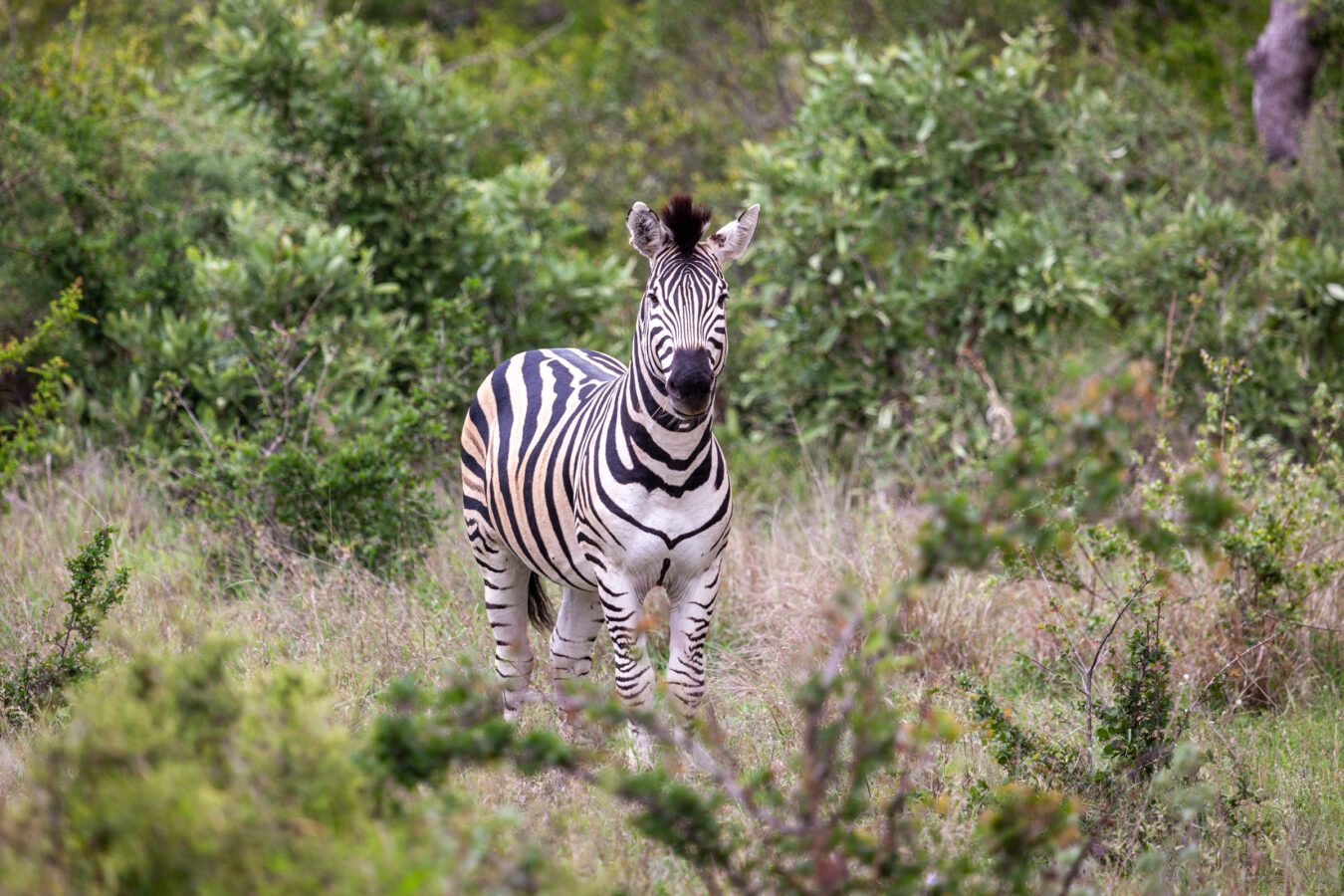
Guests may encounter the Big Five as well as cheetah, wild dog, giraffe, zebra and a wide range of birdlife.
Why is the Greater Kruger ecosystem important?
The Greater Kruger allows wildlife to move freely across a vast protected landscape, supporting natural ecological processes and healthy wildlife populations.