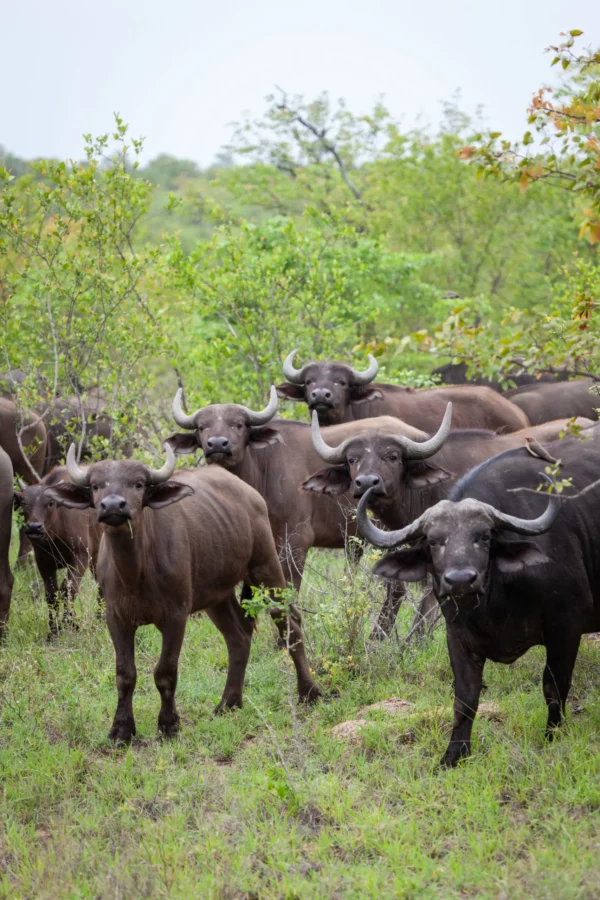



From young animals and abundant birdlife to lush landscapes, changing light and dramatic skies, discover why November to March offers a different side of safari.
The Green Season is a term well known in the safari world, referring to the months when the summer rains arrive and the bushveld responds with fresh growth and vibrant shades of green. In the Timbavati, this seasonal change brings a different rhythm to the landscape, with new vegetation, increased bird activity and young animals adding to the experience.
While the dry winter months are often considered the traditional safari season in Southern Africa, the Green Season offers plenty of reasons to look beyond the usual travel calendar. From excellent birding and opportunities to see newborn animals to dramatic skies and rewarding conditions for wildlife photography, November to March reveals a different side of the Timbavati.
For nature lovers and wildlife enthusiasts, it is a season worth considering.
Here are some of the highlights of experiencing a Green Season safari at Kings Camp.
When is Green Season?
The Green Season generally spans from November through April, during Southern Africa’s rainy season.
These months bring humid, hot days that are often punctuated by magnificent afternoon thunderstorms, transforming the landscape into a lush, emerald paradise. The rainy season not only rejuvenates the bushveld but also supports the proliferation of life in all forms – from vegetation to game and birdlife.
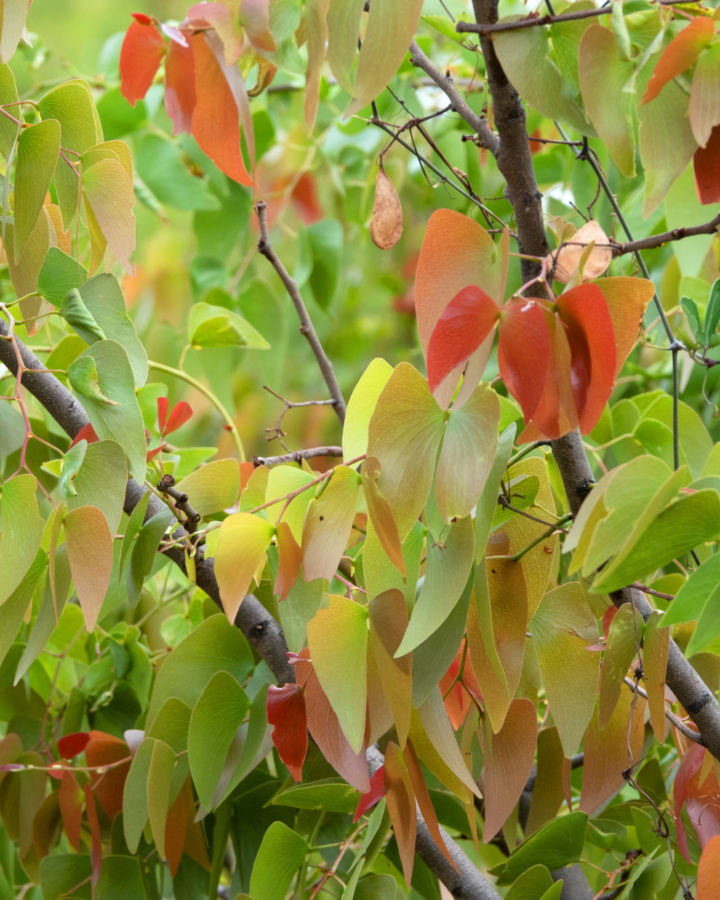
A Greener, More Lush Timbavati
The arrival of summer rainfall changes the character of the Timbavati.
Vegetation responds quickly to the rain, bringing fresh growth across the reserve. Open savanna becomes greener, woodland areas feel denser and seasonal watercourses begin to shape the landscape once again.
This abundance also influences how wildlife moves through the reserve. Rather than concentrating around permanent water sources as they often do during the dry winter months, animals can spread more widely as grazing becomes available across the landscape.
For guests, this means experiencing the Timbavati at one of its most dynamic times of year. The landscape is constantly changing, sometimes from one game drive to the next.
Unbeatable Birding
For avid birders, the Green Season is a particularly rewarding time to visit the Timbavati. The arrival of summer rains brings an abundance of water and lush vegetation, creating favourable conditions for birdlife and adding a new dimension to game drives at Kings Camp.
The skies and treetops become busy with both resident and migratory species, including European rollers, woodland kingfishers and bee-eaters, alongside iconic species such as the lilac-breasted roller. The vibrant colours of these birds stand out beautifully against the fresh green backdrop of the bushveld, making the season especially appealing for birdwatchers and wildlife photographers.
Whether you are an experienced birder with a carefully curated species list or simply enjoy noticing the smaller details of the bush, the Green Season offers plenty to look and listen for.
Light & Landscape for Photography
Photographers often associate safari with the golden, dry tones of winter, but the Green Season offers something quite different. Fresh vegetation creates layers of texture and colour across the bushveld, while changing weather brings constantly shifting light and atmosphere.
Dramatic thunderclouds often build during the afternoon, creating striking contrasts of light and shadow across the landscape. Cloud cover can also soften the harsh sunlight, providing more even conditions for wildlife photography. As storms pass, shafts of sunlight can break through the clouds, while reflections in temporary pools and the fresh greenery add depth to photographs.
Later in the day, clearing skies can bring warm oranges, pinks, purples and blues to the horizon, creating opportunities to photograph wildlife against a lush summer landscape. Young animals, colourful birds and interactions between species provide compelling subjects, while the denser vegetation encourages a more considered approach to composition and framing.
At Kings Camp, the Kings Warren Wildlife Hide offers another perspective for photographers, providing a quieter vantage point from which to observe and photograph wildlife visiting the waterhole. The hide is one of the lodge’s dedicated wildlife viewing experiences.
New Life On Safari
One of the most appealing aspects of a Green Season safari is the opportunity to see young animals. This is a time of new beginnings in the bush, with many species raising their young and the landscape filled with calves, lambs and cubs. Watching a young impala stay close to its mother, an elephant calf investigate its surroundings or a young predator begin learning the skills it will eventually need to survive can add another layer to a game drive.
The abundance of young animals also brings interesting dynamics to the wider ecosystem. Predators may take advantage of opportunities presented by the increased availability of vulnerable young prey, offering glimpses into the natural relationships between predator and prey.
These sightings are a reminder that safari is about more than ticking animals off a list. Watching how animals behave, interact and adapt to the changing conditions around them can be just as rewarding as the sighting itself.
Prime Time to Combine A Trip To Cape Town
Another wonderful perk of the Green Season safari is the opportunity to combine your trip with a visit to one of the world’s most iconic cities: Cape Town. While much of Southern Africa experiences rain during this time, Cape Town enjoys its peak summer months, offering warm, sunny weather from October through to April.
December through February is prime beach season in Cape Town, where you can enjoy the vibrant energy of the city’s outdoor culture. Whether you’re relaxing on the buzzing beaches of Camps Bay, indulging in world-class dining, or embarking on wine-tasting tours in the surrounding Cape Winelands, Cape Town offers a rich and diverse experience. And, of course, no trip is complete without a visit to Table Mountain, where the views are particularly spectacular during the dry summer months.
See Victoria Falls in Full Flood
If you’re extending your safari beyond South Africa, another iconic destination worth considering during the Green Season is Victoria Falls. Between March and July, Victoria Falls is in full flood, making it the most dramatic time to witness the world’s largest sheet of falling water in all its thunderous glory.
This time of year also offers the chance to explore nearby Hwange National Park, Zimbabwe’s largest game reserve. Hwange is home to large elephant herds, big cats, and numerous other wildlife species. The rainy season is particularly rewarding for game viewing in Hwange, as the landscape is lush and wildlife sightings are plentiful.
Is Rain a Big Disadvantage?
While it may seem that the rain is a disadvantage, particularly for those concerned about game drives, it’s important to note that summer rain in Southern Africa is rarely unpleasant. Showers often come in short bursts, mostly in the afternoons, leaving behind fresh, cool air that is perfect for relaxing or an afternoon siesta. After the rain subsides, the bush comes alive with the sounds of birds and insects, and the vegetation sparkles with dew, creating a rejuvenated and vibrant atmosphere.
Moreover, the rains also mean fewer safari vehicles, so guests often enjoy more exclusive sightings of wildlife in a less crowded setting. With the added bonus of reduced rates during the Green Season, it’s a wonderful time to experience the African bush in its most vibrant and lush state.
Why Visit Between November and March?
If your idea of safari extends beyond the easiest possible wildlife sightings, summer is well worth considering.
Between November and March, you can experience:
- Fresh, green landscapes following the summer rains
- Opportunities to see young animals
- Excellent birding and increased bird activity
- Interesting photographic conditions and changing light
- Dramatic summer skies and atmospheric weather
- A landscape shaped by seasonal rainfall and new growth
- The chance to experience the Timbavati at a very different time of year
The green season may require a slightly different approach to safari. Wildlife can be more dispersed and vegetation can be thicker. But in return, the landscape feels alive with growth, movement and change.
And that is precisely what makes it worth experiencing.
An Exclusive Way to Experience the Timbavati
The Timbavati forms part of the Greater Kruger ecosystem, where wildlife moves freely across an expansive, connected wilderness. Seasonal rainfall and vegetation influence animal movements, while the ecosystem continues to change throughout the year.
At Kings Camp, game drives are led by expert Naturalist Guides and Wildlife Tracker teams, whose knowledge helps guests understand these seasonal changes and the behaviour they reveal.
This is perhaps the greatest reason to consider a green season safari. You are not simply visiting the same landscape at a different time of year. You are seeing a different expression of it.
For travellers looking to experience the Timbavati beyond the traditional dry-season safari, November to March offers a fresh perspective on the landscape, wildlife and rhythms of the bush.
To begin planning your green season safari at Kings Camp, enquire with our reservations team at book@kingscamp.com.
FAQs
What is the green season in the Timbavati?
The green season generally runs from November to April at Kings Camp. It follows the arrival of summer rainfall, bringing fresh vegetation and changing wildlife conditions.
Is November to March a good time for a safari in South Africa?
Yes. While the dry winter months can make wildlife easier to spot, November to March offers lush landscapes, young animals, abundant birdlife and a different perspective on the Timbavati.
What animals can you see during the green season?
Guests may encounter the Big Five as well as cheetah, wild dog, giraffe, zebra and a wide range of birdlife. The green season also provides opportunities to observe young animals and changing wildlife behaviour.
Is the green season good for photography?
Yes. Green vegetation, young animals, birdlife, changing light and summer weather can create a different range of photographic opportunities compared with the drier winter months.
Is birding good during the green season in the Timbavati?
The Greater Kruger ecosystem supports an extraordinary variety of birdlife, making birding an important part of the safari experience year-round. Summer adds increased vegetation and insect activity to the landscape.
Why choose a green season safari over a dry season safari?
A green season safari offers a different experience rather than simply a better or worse one. The landscape is greener, rainfall changes animal movement, young animals may be present and the combination of vegetation, birdlife and summer skies creates a distinctive atmosphere.